

You created a killer SaaS product that ticks all the boxes for technical and user experience parameters. It solves real and painful problems. Even your marketing team is doing a fantastic job, filling the pipeline with high-quality demo requests.
Yet you’re facing a big problem.
Your sales team gets the lead on calls, but when it comes to conversion, it's a whole different story. They see smiling prospects nodding politely, promising to “follow up next week” and then. Nothing.
SaaS demo is the heart of the B2B sales cycle. And why it's not after all, it's the moment when the product moves from just an abstract promise to a tangible solution.
Most sales demos, including the brilliant products, have fundamental problems. They are executed like technical tutorials when they should be performed like compelling stories.
In a nutshell, you don’t just lose a lead if your demos are falling flat; you lose thousands of dollars in potential revenue. Not just that, but throwing away the hard work of your marketing engine.
Being in the animated explainer video industry for a decade now, we understand the power of visual narrative to simplify the complex.
Based on our analysis, we identified 5 critical mistakes people make in SaaS demos that cost them B2B lead-generation opportunities. And we have also talked about how you can fix them if you are facing them too.
Simply by leveraging the strategic advantage of SaaS demo video and clear communication (with powerful storytelling).
What Separates High-Converting SaaS Demos From The Rest
Most SaaS demos fail for the same reason product messaging fails: buyers cannot quickly connect features to outcomes.
Prospects don't join a demo because they want to see another dashboard. They join because they want to solve a problem, reduce inefficiencies, increase revenue, or improve operational performance.
Yet many demos spend most of their time explaining menus, settings, workflows, and integrations instead of demonstrating business impact.
When that happens, buyers leave with a general understanding of the software but little understanding of why it matters.
The result?
- Longer sales cycles
- Lower conversion rates
- More objections
- More follow-up questions
- More ghosted opportunities
Over the years, we've observed that high-performing SaaS demos consistently succeed in five critical areas.
The What a Story SaaS Demo Conversion Framework
Every effective SaaS demo relies on five essential elements:
Clarity – Can the buyer immediately understand what the product does?
Relevance – Is the demo tailored to the specific person in the room?
Narrative – Does the presentation tell a story rather than list features?
Attention – Can the demo maintain engagement long enough to reach the "aha" moment?
Momentum – Does the conversation continue after the demo ends?
Most failed demos break down in one or more of these areas.
The Five SaaS Demo Mistakes That Hold Back Your Conversions
1. A Demo Video or Feature Dump?
The Mistake:
Your sales rep takes out the SaaS demo in front of the prospect, and it immediately turns into a feature-by-feature tour. Clicking through every menu, setting, and integration.
Their focus on the breadth of the product is so great that they forget to highlight the depth of the solution your product offers to the prospect.
The biggest flaw of this approach is failing to recognize that the B2B buyers are not here to purchase software features. They are looking for a real, meaningful change.
You have the AI-powered widget? Great. But the prospect will care about it if the widget saves them 10 hours of manual work per week. If your SaaS product demo is focusing on selling the tool instead of an outcome, you’re clearly missing the point.
In the words of Peter Drucker, “The aim of marketing is to know and understand the customer so well that the product or service fits him and sells itself.”
The Solution: Start With The Transformation Story
Before presenting your solution, establish the prospect's current reality.
- What problem are they facing?
- How much is it costing them?
- What would success look like?
Frame your demo around that transformation. Pain point comes first. Open with questions that help both parties understand the cost of the problem.
Then introduce the solution. A concise animated explainer video at the start of the demo can help visualize the challenge, illustrate the solution, and create immediate context.
The prospect should see your product as a vehicle for success, not a collection of features.
Why buyers leave demos without understanding the product
One of the biggest misconceptions in SaaS sales is assuming that seeing a feature automatically creates understanding.
In reality, buyers experience information overload.
They are simultaneously trying to understand:
- The problem
- The solution
- The implementation effort
- The expected ROI
- The business impact
When demos focus too heavily on features, buyers are forced to make these connections themselves. Most won't.
The best SaaS demos connect every feature to an outcome and every workflow to a measurable result. A feature explains what the product does. A story explains why the buyer should care.
2. When Everyone Gets the Same Demo
Do you notice the different persona? A CFO who cares about the ROI, the Head of Sales who’s thinking about the pipeline, and the Admin who has to look at the integration and compliance. All of them have different issues to tackle.
The Mistake:
A generic demo signals to the prospect that you haven't bothered to understand their specific role or challenges.
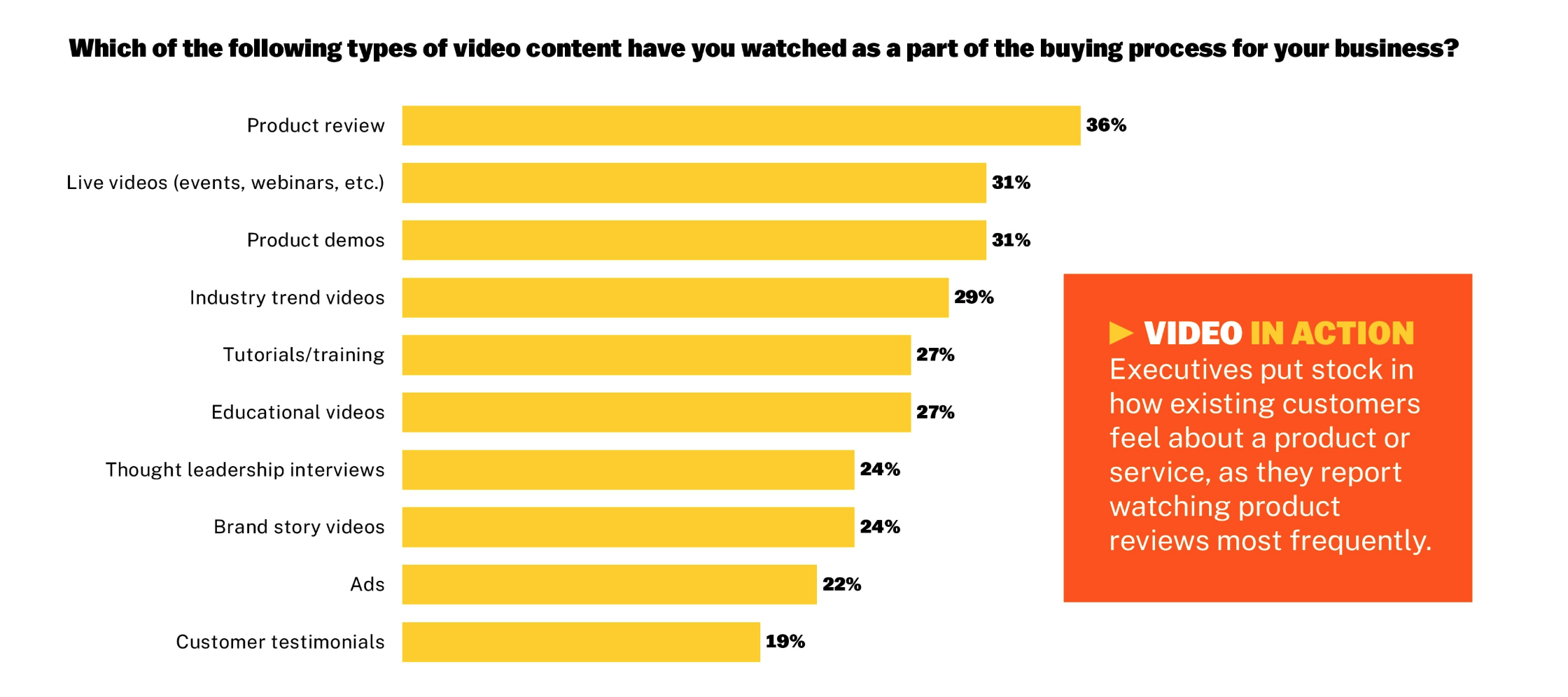
This is a fatal error in B2B lead generation, given the expectation of personalization. Research shows that 70% of B2B buyers engage with video during their purchasing decisions, but that content must be relevant. A generic approach undermines the very trust you are trying to build.
The Fix: Segment, Tailor, and Enable Self-Service
Your demo needs to adapt dynamically to the persona in the room.
- Pre-Qualify and Prepare: Use your qualification calls to determine the Single Most Important Goal (SMIG) for the person on the call.
- Persona-Driven Flow: Structure your demo around the SMIG.
- For the CFO: Highlight the reporting dashboard and ROI metrics first. Skip the feature settings.
- For the Admin: Focus on the setup, compliance, and integration Walkthroughs.
- Pre-Recorded Demos as Assets: Create several Product Demo Video assets (e.g., "The Finance View," "The Manager's Dashboard") that your sales team can use in advance to pre-qualify leads or send as post-demo follow-ups.
This ensures the prospect only sees the parts of the product most relevant to their needs, accelerating the sales cycle and fixing a major video demo mistake.
3. It’s a Tutorial, Not a Story
The Mistake:
SaaS demo doesn’t work if your sales reps treat it like a feature dump on the potential leads. A meaningful conversation requires narrative structure, an emotional hook, and a memorable conclusion.
The reason is simple: human beings are wired for stories. This has been the proces for us humans, that’s how we remember complex information.
As storytelling expert Chris Brogan noted, “Stories are how we learn best. We absorb numbers and facts and details, but we keep them all glued into our heads with stories.”
Avoid making your demo a list of features because the prospect will anyways forget 90% of it as soon as the call end. But if the story is compelling enough, they are gonna tell it to their collegues.
The Fix: Adopt the Problem-Solution-Success Framework
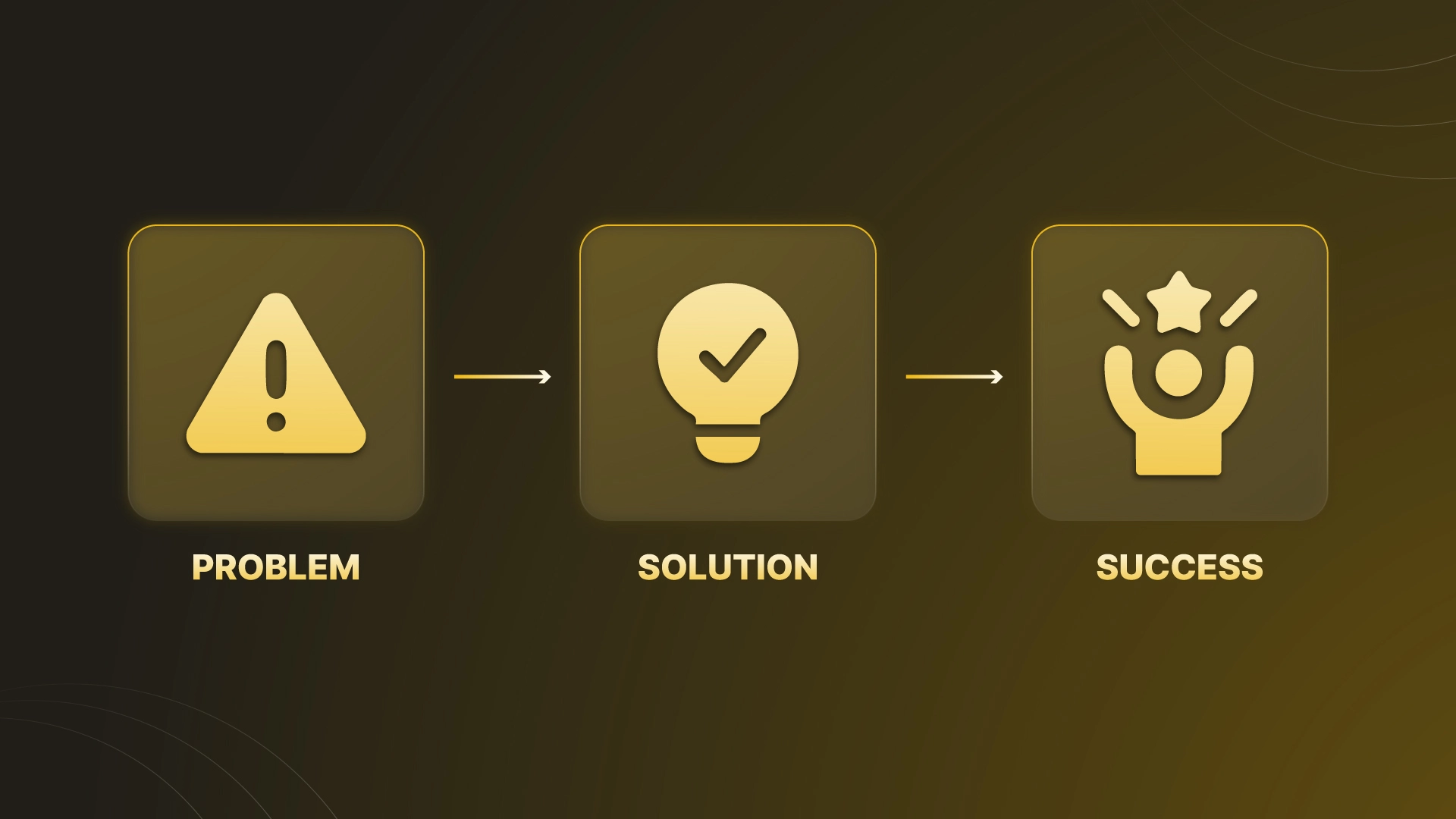
Your demo must have a clear beginning, middle, and end, following a tried-and-true narrative structure:
Beginning (The Problem): Confirm the user’s current pain point. (“You told me your team wastes 10 hours a week on manual data entry…”)
Middle (The Solution/The Journey): Show exactly how your product solves that problem, focusing on the five most impactful clicks. This is the Product Demo.
End (The Success): Conclude with a clear vision of the future. Use a real-world customer Case Study or testimonial quote to show what success looks like.
The What a Story Advantage: Storytelling is our foundation. We help SaaS companies translate complex features into structured, emotionally resonant animated films. Whether it’s an Explainer Video for your website or a Case Study video for your sales follow-up, a structured narrative is the single best way to ensure your message sticks.
Product demo vs product tour vs sales demo
These terms are often used interchangeably, but they serve different purposes.
Product Tour: - A self-guided overview designed to help users explore the platform.
Product Demo: - A focused presentation showing how the product solves a specific problem.
Sales Demo: - A personalized experience tailored to the buyer's goals, challenges, and priorities.
One of the biggest mistakes SaaS companies make is turning a sales demo into a product tour. Instead of focusing on outcomes, they showcase everything. High-converting sales demos prioritize relevance over completeness.
Read Also: How Founders Accidentally Ruin Product Messaging (Without Realizing It)
4. Demo Goes On and On…
The Mistake:
Sales teams often feel compelled to show every possible detail to justify the price or the product’s complexity. The result is a 45- to 60-minute session in which the prospect’s eyes glaze over.
We live in a world of shrinking attention spans. If your demo takes longer than a standard sitcom episode, you're losing the battle for attention.
Data confirms this: videos under 60 seconds achieve the highest completion rates. While a live demo is different, the principle remains the same: keep the core argument concise.
The Fix: "The 15-Minute Deal" and Post-Demo Assets
Keep the live, core demo focused on the critical path to the "Aha!" moment and delegate the rest to easily consumable follow-up content.
- The 15-Minute Rule: Commit to spending no more than 15-20 minutes on the actual product presentation. Use the remaining time for Q&A, qualification, and next steps.
- Park the Edge Cases: If a prospect asks about a hyper-specific feature, acknowledge it and say, “That’s a great question, but for the sake of time, I’ll send you a dedicated Walkthrough video for that exact workflow right after this call.”
- Delegating to Video: This approach turns your video demo mistakes into an advantage. You empower your sales team to keep the live demo crisp and high-value while ensuring the prospect gets the deep-dive content they need without clogging up the main presentation.
5. Demo Ends, Leaving Prospect with Nothing
The Mistake:
The demo ends with a week, generic close: "Thanks for your time, I'll send an email next week." The prospect closes their laptop, and all the momentum gained during the call is instantly lost. The emotional connection you created vanishes, and their attention quickly moves to the next solution on their list.
B2B lead generation requires immediate, targeted follow-up to move the lead to the next stage. A general "thank you" email simply isn't enough.
The Fix: The High-Value, Personalized Follow-Up Package
The post-demo follow-up should immediately reinforce the "Aha!" moment and arm the internal champion with the content they need to sell the solution to their team.
- Personalized Video Email: Instead of a wall of text, send an email with a 15-second personalized screen-recorded clip and a thumbnail of your main Product Demo video. The email should start with the quote: “You earn the right to tell your story when you start with theirs” (Matt Heinz). Reinforce the specific problem discussed.
- The Arsenal of Assets: Immediately include 2-3 specific content pieces: the segmented video demo for their persona (from Mistake #2), a relevant Case Study video, and a one-page summary deck.
- Video in Email Works: This strategy is proven to work. Including the word “video” in the email subject line has been shown to increase click-through rates by up to 300%. This ensures the demo's message is retained and shared internally, accelerating the buying committee's decision.
Read Also: Why Are Product Demo Videos Important?
Before Your Next SaaS Demo, Ask These Five Questions
Before presenting your product to the next prospect, evaluate your demo experience honestly.
Ask yourself:
- Am I leading with outcomes or features?
- Is this demo tailored to the buyer persona?
- Does the presentation follow a clear narrative structure?
- Can the prospect reach the "aha" moment within 15 minutes?
- What content will reinforce the message after the call?
If any answer is unclear, there's likely friction in your demo process. The good news is that most demo problems are not product problems. They are communication problems.
A well-crafted SaaS demo supported by strategic video assets can transform a routine product walkthrough into a compelling story of transformation and success.
When buyers clearly understand the value of your solution, sales conversations become shorter, objections become easier to handle, and conversion rates improve naturally.
That's the power of combining product expertise with purposeful storytelling.


